


What lies behind
In our newsletters, we usually look ahead, but this time, I would like to speak about what lies behind us.
And first of all, I want to say: thank you.
Thank you for coming. For showing up. And for continuing to show up.
From evening into night, from night into day, and from day into evening and night again. A full circle of time, our separate journeys briefly sharing the same orbit.
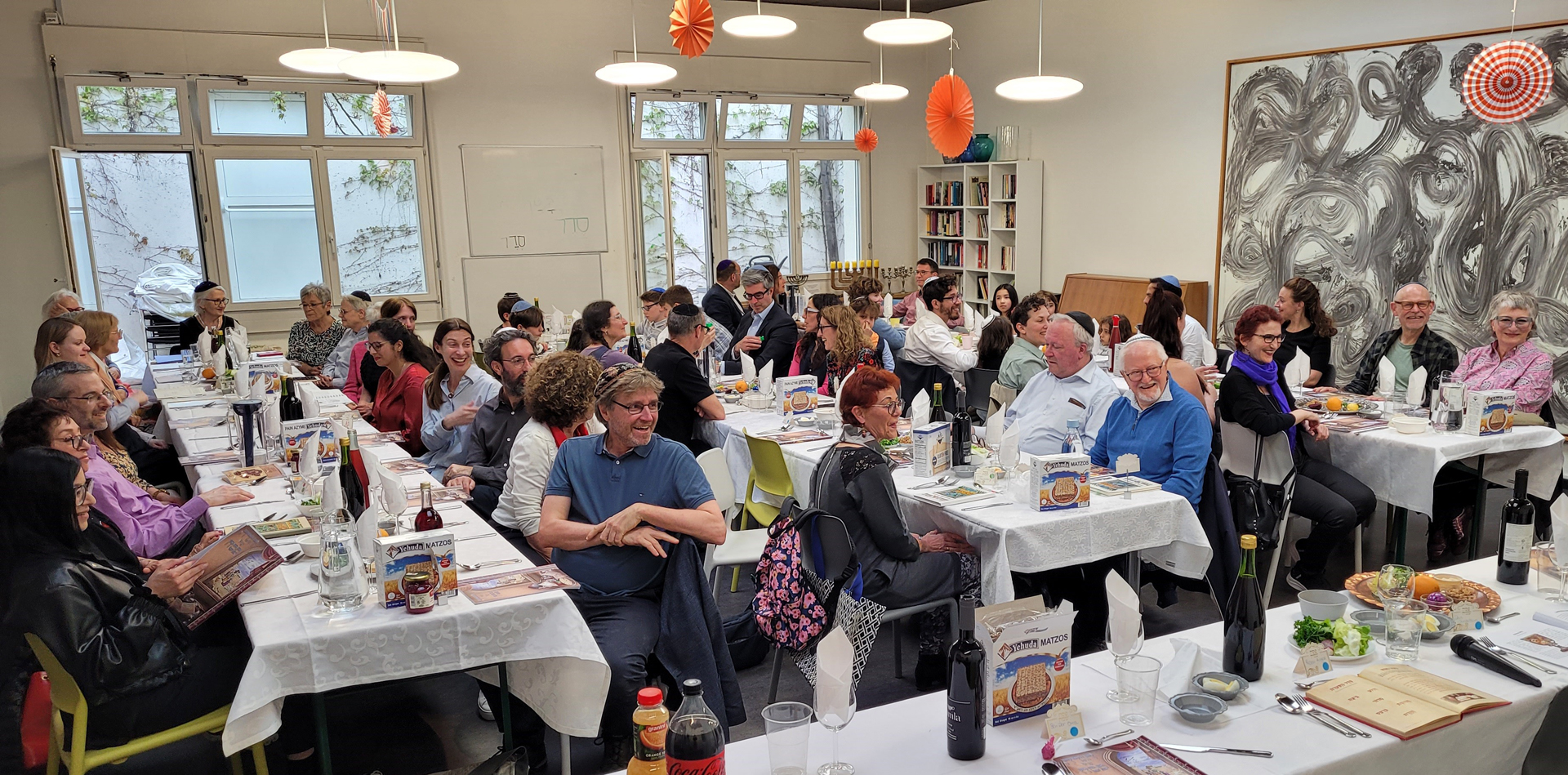
And this circle had faces. It had voices, ideas, interpretations, and languages. Some of you stayed throughout; some came for the first time; others returned after months or years. Each brought something of their own: a fresh smile, a gesture, a thought. What we all shared was presence, being together at Migwan, literally meaning - in diversity.
Thank you for making room in your lives, setting aside work, responsibilities, and the countless demands of everyday life. For choosing to be present.
The morning after Yom Kippur, this sense of presence stayed with me. I walked through Basel, and the world seemed strangely beautiful. The streets, the buildings, the light - everything was present. I was present. I found myself deeply moved by a tree, by the quiet, by a human gesture.
There is a beautiful Hebrew word, nechocha (נכוחה): to look at something directly, to see it as it is, in its truth, in its full presence - nochechut (נכחות).
This is how I felt in the world after Yom Kippur. The different rhythm of that day, the time we had shared, the simple experience of being together in our own bubble of pure presence - all of it had left something in me: A new sense of presence in the world, an ability to see it differently, anew, nechocha.
And perhaps this is why I suddenly understood that Yom Kippur is not complete at Ne’ilah. It is completed the following morning, when we return to the world. This is the full circle.
Our shared day had ended, but something of it was still moving me, shaping the way I encountered the world. The circle we completed at Migwan continued to expand- through the streets of Basel, then all the way to Berlin, and finally home.
This is what I want to thank you for. For accompanying me along this stretch of our journeys. For your time, your words, your gestures - for your presence.
For a circle we completed together, and that continues to grow wider still.
With gratitude,